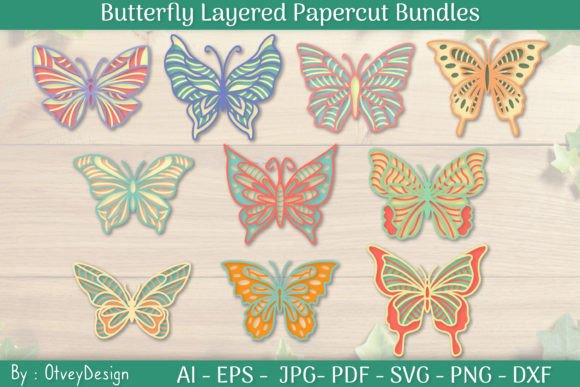
3D Layered Papercut Butterfly Bundles
As a designer who spends more time than I care to admit tweaking stitch density and worrying about thread tension, I approach every new embroidery file with a healthy dose of skepticism. We have all seen designs that look stunning on the screen but turn into a tangled mess on the hoop. Today, I am evaluating the 3D Layered Papercut Butterfly Bundles, a product categorized under Shapes and labeled as a 3D SVG. While the source material indicates these are cutting files for machines like Silhouette or Cricut, the visual language of "papercut" and "layered" suggests a distinct aesthetic that translates interestingly into textile work. My goal here is not just to describe the product, but to analyze how this specific design personality would perform in real-world custom apparel, boutique merchandise, and client projects.
The First Impression: Mood and Visual Personality
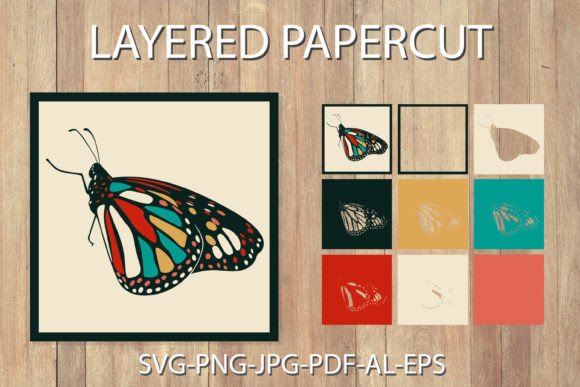
When you first open the bundle, the immediate takeaway is the intricate, delicate nature of the butterfly motif. The term "papercut" implies sharp edges, negative space, and a sense of depth created through layering rather than just color gradients. In the context of machine embroidery, this translates to a design that relies heavily on clean lines and strategic use of stabilizer to maintain its structure. The mood is whimsical yet precise. It feels suitable for a brand that values detail and craftsmanship without being overly ornate.
For an Etsy seller or a small shop product owner, this aesthetic offers a high perceived value. The layered look mimics the complexity of appliqué or multi-color fills but can be achieved with fewer threads if planned correctly. It creates a focal point that draws the eye immediately, making it an excellent choice for personalized gift items where the customer wants something that looks expensive and thoughtful.
Real-World Application: From Screen to Stitch
Let’s imagine a practical scenario. You are preparing a run of custom embroidered tote bags for a local artisan market. These bags need to stand out on a crowded table. A simple logo might get lost, but a large, intricate butterfly design catches attention. Using the 3D Layered Papercut Butterfly Bundles on a sturdy canvas tote allows the sharp edges of the papercut style to shine. The contrast between the rough texture of the bag and the smooth, defined stitches of the butterfly creates a tactile appeal that customers love.
Similarly, consider a line of baby clothes. The butterfly theme is timeless and gender-neutral when paired with soft pastel thread colors. However, because the design features layered elements, placement is key. Center chest or centered back placements work best to allow the full shape to breathe. If you were to scale this down too small, you risk losing the "papercut" detail, turning it into a blurry blob. Therefore, this design is best suited for medium to large hoop size applications, such as sweatshirts, aprons, or pillow covers.
Another strong use case is holiday embroidery. Butterflies often symbolize transformation and spring, making them perfect for Easter collections or wedding favors. Imagine an embroidered patch on a bridal party’s robes or a monogrammed handkerchief. The layered effect adds a touch of elegance that elevates a standard finished product into a keepsake.
Where Caution Is Required
No design is universally perfect, and the 3D Layered Papercut Butterfly Bundles come with specific constraints that every embroidery designer must respect. Firstly, the "layered" aspect can be tricky on stretchy fabrics. If you attempt this on a thin, jersey knit t-shirt without proper stabilization, the layers may pucker or shift during stitching. Always use a cut-away stabilizer for knits to ensure the integrity of the design remains intact after washing.
Secondly, dark fabric presents a challenge. Papercut designs often rely on negative space and light backgrounds to show off their intricate cutouts. On black denim or navy cotton, the details may disappear unless you use a dense satin stitch border or a contrasting background fabric. I recommend testing the design in black and white mockups before committing to production. This helps you visualize how the positive and negative spaces interact against darker threads.
Small hoop sizes are another pitfall. Trying to fit a complex, layered butterfly into a 4x4 inch hoop will likely result in lost detail. The tiny wings and inner cutouts may become indistinguishable from the surrounding fill. For embroidered patches or hat fronts, ensure the design is scaled appropriately so that the viewer can appreciate the artistry from a distance.
Impact on Brand and Customer Trust
Using a well-executed design like this affects more than just aesthetics; it builds brand consistency. When a customer receives a handmade product where every stitch is crisp and the layers align perfectly, it signals professionalism. It tells them that you care about the details. In the world of craft business and online sales, this level of quality reduces returns and increases positive reviews. A printable mockup that accurately represents the final stitched look can also manage customer expectations, reducing disappointment upon delivery.
Furthermore, the versatility of the butterfly shape allows for creative customization. You can change the thread colors to match seasonal trends—pastels for spring, brights for summer, and muted tones for autumn. This adaptability makes it a valuable asset in your design assets library, capable of generating multiple listings from a single core design.
Practical Designer Notes Before You Start
Before you upload this file to your machine, there are several critical steps to take. First, always test the design on scrap fabric that matches the weight and texture of your final project. This allows you to adjust the stitch density and check for any potential threading issues. Second, inspect the small details closely. Are the inner cutouts large enough to be embroidered cleanly, or do they require additional support? If the design includes running stitch accents, ensure your machine handles fine lines smoothly.
Confirm the licensing terms explicitly. Although the product description mentions cutting files, you must verify whether you have commercial rights to sell finished items made from this digital embroidery file. Many designers overlook this step and face legal complications later. Additionally, compare light and dark fabric backgrounds during your testing phase to determine which combinations yield the highest visual impact. Finally, ensure your applique design setup (if applicable) is optimized for the layered look, using appropriate trim stitches to keep the edges clean.
In conclusion, the 3D Layered Papercut Butterfly Bundles offer a sophisticated, detailed aesthetic that can elevate a wide range of embroidery projects. By respecting its limitations regarding fabric type and hoop size, and by investing time in proper testing, you can create stunning, high-value products that resonate with customers. Whether you are decorating a tote bag design or creating a unique holiday embroidery piece, this design provides a solid foundation for creative success.