3D Layered Tulip Flowers: 3D SVG Paper Flowers Review
In the world of digital publishing, visual hierarchy is not just an aesthetic choice; it is a functional necessity. As a blog designer who has spent years optimizing content for readability, click-through rates, and brand trust, I evaluate every graphic asset with one question in mind: does this support the editorial mission? Recently, I reviewed a design file titled 3D Layered Tulip Flowers, a collection marketed as high-quality paper flower illustrations. This review explores how these assets perform in real-world publishing workflows, from newsletter headers to affiliate marketing visuals.
The First Impression: Serenity Meets Editorial Polish
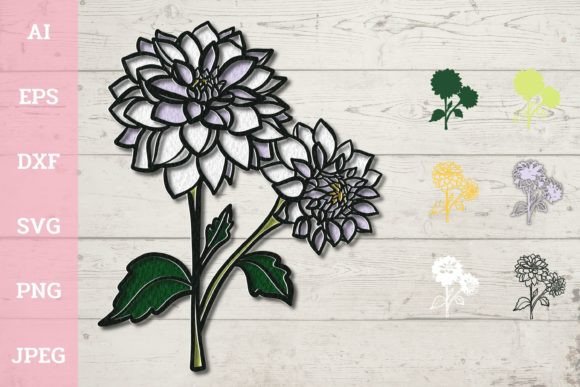
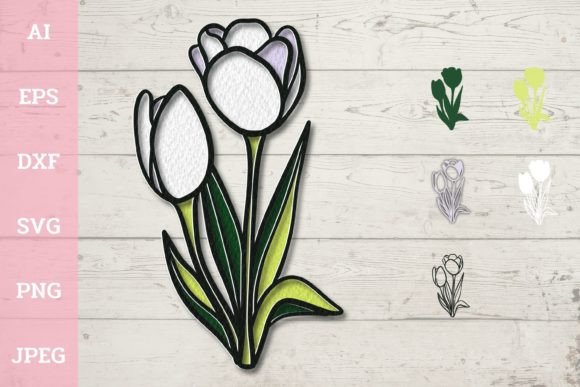
When you first open the folder containing these designs, the immediate takeaway is their ability to evoke a sense of calm. The product description notes that white tulips offer a "calm and tranquil presence," and visually, this translates into a clean, sophisticated aesthetic. Unlike busy, cluttered clipart, these designs rely on negative space and layered depth to create interest without overwhelming the viewer.
For bloggers and content creators, this mood is invaluable. It suggests a lifestyle-focused, feminine, or artistic niche. Whether you are running a wellness blog, a floral arrangement tutorial site, or a modern home decor magazine, these graphics signal professionalism. They feel less like decorative afterthoughts and more like intentional editorial choices. The use of white tulips specifically allows them to blend seamlessly with light-themed website headers and minimalist layouts, reinforcing a brand identity that values clarity and peace.
Integrating 3D SVG Assets into Your Publishing Workflow
The format matters as much as the image itself. These assets are provided as 3D SVG files, which is a significant advantage for web designers and publishers. Scalable Vector Graphics (SVG) ensure that your images remain crisp at any resolution, whether they are displayed on a large desktop monitor or viewed on a small mobile screen. This scalability supports better web performance and sharper visual quality compared to rasterized PNGs or JPEGs.
Here is how I recommend integrating these graphic design asset collections into your daily content marketing strategy:
- Blog Featured Images: Use the largest layer composition as a header background. Because the design is layered, you can isolate specific elements to create custom thumbnails that stand out in search results.
- Pinterest Pins: Pinterest is a visual search engine where aesthetics drive traffic. The vertical aspect ratio compatibility of these designs makes them ideal for pinning. Pair the tulip illustration with bold serif typography to create eye-catching pins that promise value.
- Newsletter Graphics: Email clients often strip out complex CSS. Using simple, high-contrast SVG or PNG exports of these flowers as section dividers or call-to-action accents can improve reader engagement without breaking email layout integrity.
- Digital Guides and Lead Magnets: If you are creating downloadable PDFs, worksheets, or eBooks, these designs add perceived value. A cover page featuring the layered tulips suggests a premium digital download rather than a generic freebie.
- Social Media Templates: For Instagram or Facebook posts, use the individual layers to create dynamic compositions. You can overlay text boxes directly onto the negative space of the tulip petals to maintain a consistent brand identity across platforms.
Impact on Content Performance and Reader Trust
Visual consistency builds trust. When a visitor lands on your website, they subconsciously assess the quality of your content based on its presentation. High-quality design assets like these 3D tulips signal that you care about detail. This attention to detail extends to your readers' perception of your expertise.
Furthermore, proper use of these graphics enhances visual hierarchy. By placing a delicate, white tulip illustration next to a strong headline, you guide the eye naturally through the content. This improves the user experience, keeping readers on the page longer. In affiliate marketing contexts, where trust is paramount, polished visuals help reduce bounce rates and increase the likelihood of clicks on affiliate links embedded within your articles.
Where These Designs Shine vs. Where to Exercise Caution
Not every design fits every context. While these Paper Flowers are versatile, understanding their limitations is crucial for effective web design.
Best Use Cases:
- Hero Images: Large, full-width banners benefit from the serene, expansive feel of the white tulips.
- Editorial Accents: Small icons or sidebars where a touch of elegance is needed without dominating the text.
- Category Visuals: Distinctive thumbnails for sections like "Spring Decor," "Wellness Tips," or "Creative Hobbies."
Areas Requiring Careful Application:
- Small Mobile Thumbnails: At very small sizes, intricate 3D layers may blur or become indistinct. Always test these assets at thumbnail size (e.g., 150x150 pixels) before committing to them for grid layouts.
- Text-Heavy Blog Images: Avoid placing dense paragraphs of text directly over the detailed parts of the flower. Ensure sufficient contrast and breathing room to maintain readability.
- Serious Professional Niches: While elegant, these flowers may feel too soft for corporate finance, legal advice, or hard-news journalism sites that require a stricter, more austere visual system.
Practical Publisher Notes for Implementation
To get the most out of this asset, follow these technical and creative checks during your production process:
- Screen Testing: Preview the design on both desktop and mobile devices. Check how the 3D SVG scales and whether the white color contrasts appropriately against your website’s background.
- Font Pairing: Experiment with different typefaces. These tulips pair beautifully with classic serif fonts for an editorial look, clean sans-serif fonts for a modern vibe, or elegant script fonts for invitations and event pages. Test alongside handwritten fonts for a personal, blogger-style touch.
- Contrast and Readability: Place the graphic beside your primary headline. Does the text pop? If not, adjust the background color or add a subtle shadow behind the text.
- File Size Optimization: Even though SVGs are lightweight, if you convert them to PNG for broader compatibility, ensure you compress them properly. Large file sizes slow down your site, hurting SEO and user experience.
- Licensing Verification: Before using these on monetized websites, affiliate pages, or paid products, confirm the commercial license terms. Most marketplaces allow commercial use, but some restrict resale as standalone digital files. Always read the fine print to protect your small business branding and revenue streams.
Final Verdict for Digital Publishers
The 3D Layered Tulip Flowers asset is a strong addition to any publisher’s toolkit. Its emphasis on serenity, combined with the technical flexibility of SVG format, makes it suitable for a wide range of content types—from Canva templates to professional editorial design projects. It supports a clean, modern aesthetic that resonates with audiences seeking calm and quality in their digital consumption.
By integrating these creative design elements thoughtfully, you elevate your content from basic information delivery to a polished, trustworthy brand experience. Whether you are designing a new website header, creating engaging social media graphics, or producing a high-value lead magnet, these tulips offer the visual polish needed to compete in today’s crowded digital landscape.