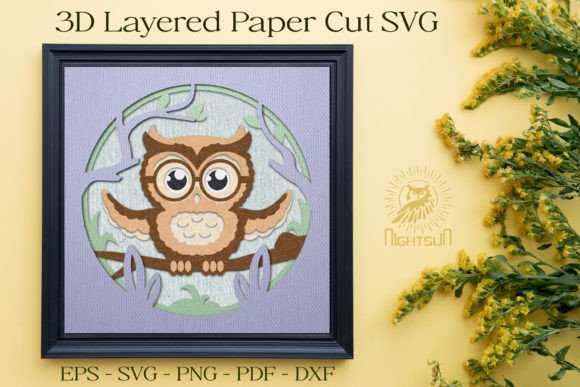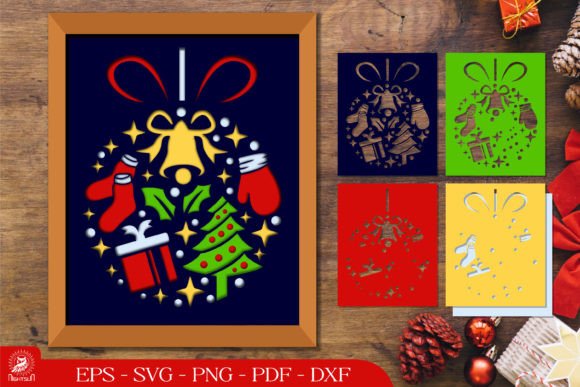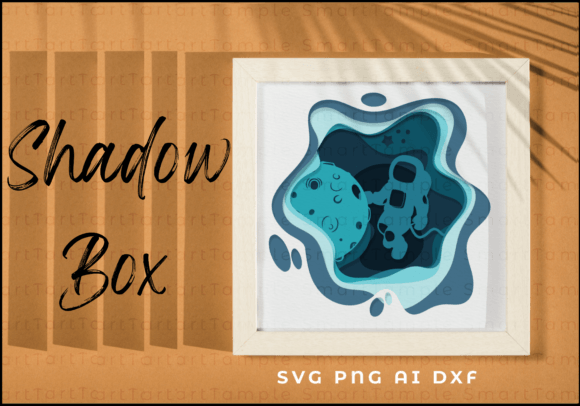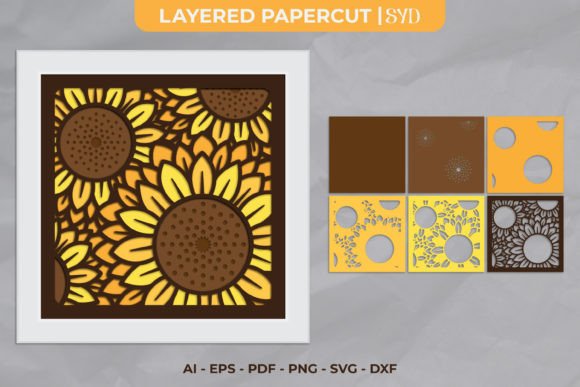
3D Mountain Shadow Box Svg, Paper Cut
As a designer who spends half my day staring at stitch charts and the other half worrying about client expectations, I don’t just look for "pretty" designs. I look for viability. I need to know if a file will actually translate from a digital vector into a tactile, high-value handmade product. Recently, I’ve been evaluating the 3D Mountain Shadow Box Svg, Paper Cut not just as a graphic asset, but as a potential centerpiece for real-world embroidery projects. The description notes it is a layered design intended for paper cutting CNC, laser machines, Silhouette, Cricut, and Cameo, which immediately raises an interesting question: how does a design born for flat material separation perform when applied to textile?
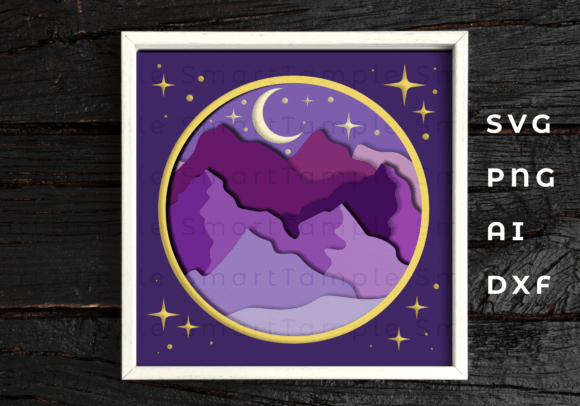
The first impression of this file is one of structural elegance. The "Shadow Box" aesthetic implies depth without relying on complex 3D stitching algorithms that often bog down older machines or create bulky, uncomfortable textures. Instead, it leverages the negative space inherent in layered paper-cut styles. When I visualize this on a tote bag design or a heavy-duty canvas apron, the mood it creates is rustic yet modern. It feels grounded, outdoorsy, and meticulously crafted. For an Etsy seller or a small shop product owner, this visual personality is gold. It suggests quality and attention to detail before the customer even touches the item.
Real-World Application: From Vector to Thread
Let’s talk about a specific scenario. Imagine you are preparing a custom order for a boutique client who wants a personalized gift for a couple who loves hiking. You might choose a heavyweight cotton canvas for a tote bag design or a thick fleece for a sweatshirt embroidery project. In this context, the 3D Mountain Shadow Box Svg, Paper Cut shines because its layered nature mimics the topography of the landscape itself. By using different thread colors for each "layer" of the mountain range, you can create a faux-3D effect that is visually striking but mechanically simple.
This approach is particularly effective for custom apparel where bulk is a concern. Unlike dense fill stitches that can make a back print stiff and uncomfortable, a layered shadow box style allows for open spaces between the layers. This breathability is crucial for items like baby embroidery pieces or delicate pillow covers where softness is paramount. However, the transition from a digital design asset to a physical object requires strategic planning. The design relies on the contrast between layers to work. If you are working with dark fabric, your thread selection becomes critical. A standard black-on-black layering might get lost unless you use metallic threads or high-contrast variegated yarns to define the ridges of the mountains.
Technical Considerations for Embroidery Designers
While the visual appeal is strong, the technical execution demands careful scrutiny. The original description identifies this primarily as a vector model for cutting machines (SVG, AI, PNG, DXF). As an embroidery professional, you must verify how these vectors translate into stitch types. Does the file include built-in embroidery digitization, or are you expected to convert the paths into satin stitches, fill stitches, and running stitches yourself? If you are converting it, pay close attention to stitch density.
Mountain ranges, by nature, involve long, sweeping lines and sharp peaks. In embroidery, sharp points can sometimes look jagged if the underlay isn't perfect. Furthermore, the "paper cut" aesthetic often features very fine details—tiny gaps between mountain peaks. On a small hoop size, these details may merge together, losing the distinct shadow box effect. Therefore, checking the hoop size compatibility is essential. If you plan to use this on a caps or hats, the curvature of the surface might distort the geometric precision of the shadow box, so always test on a scrap piece of similar material first.
- Stabilizer Choice: Because this design likely involves multiple layers or large areas of coverage, a tear-away stabilizer might not provide enough support during the initial passes. A cut-away stabilizer is often safer for maintaining the integrity of the embroidery project, especially if the fabric has any stretch.
- Thread Colors: To achieve the true "shadow" effect, consider using tonal variations rather than just contrasting colors. A gradient from light blue to deep navy for the sky, paired with earth tones for the mountains, enhances the 3D illusion.
- Fabric Texture: This design works best on smooth surfaces like cotton twill, denim, or felt. Highly textured fabrics like chunky knits or bouclé can obscure the clean lines of the paper-cut style, making the final finished product look muddy rather than crisp.
Commercial Viability and Market Positioning
For the craft business owner, the versatility of this design is its greatest asset. It fits seamlessly into seasonal collections. During autumn, it can be paired with warm amber and brown threads for a harvest theme. In winter, swapping to icy blues and whites transforms it into a perfect holiday embroidery piece for stockings or guest towels. Its neutral, nature-inspired subject matter ensures it remains relevant year-round, avoiding the pitfalls of trend-dependent graphics.
When marketing this as a personalized gift, the story matters. Customers love the narrative of "layers." You can explain how each stitched layer represents a different aspect of their memory or journey, adding emotional value to the commercial embroidery item. This storytelling angle helps justify higher price points for boutique branding items. Additionally, because the source file includes various formats like SVG and DXF, you can offer complementary products. For instance, you could sell the embroidered version alongside a matching vinyl decal for water bottles, creating a cohesive brand experience for your buyers.
Final Verdict and Best Practices
The 3D Mountain Shadow Box Svg, Paper Cut is more than just a pretty picture; it is a functional framework for creating depth through simplicity. It appeals to the maker who values clean lines and structured composition. However, success depends entirely on your preparation. Do not assume the file is plug-and-play for every machine. Confirm the licensing terms before selling finished items or digital products, as this is a common pitfall for digital product sellers.
I recommend starting with a mockup phase. Create a printable mockup to see how the layers interact visually before committing thread to fabric. Inspect the small details closely—ensure that no paths are overlapping in ways that would cause thread breaks. Test the design in black and white to verify that the contrast levels hold up. Once you have dialed in your thread colors and stabilizer setup, this design has the potential to become a signature piece in your portfolio. It bridges the gap between digital artistry and tangible craftsmanship, offering a sophisticated look that resonates with customers seeking authentic, handmade product quality. Whether used on a tea towel for a housewarming gift or a durable patch for a backpack, this design brings a sense of calm and grandeur to everyday objects.