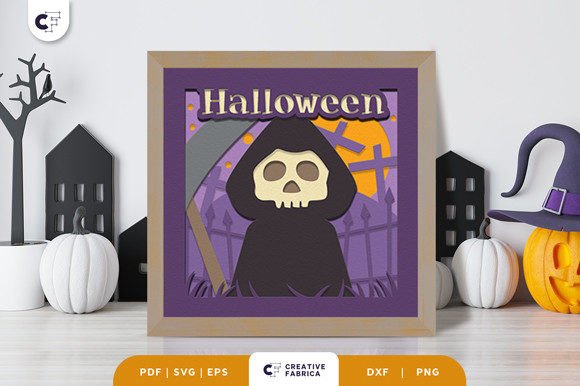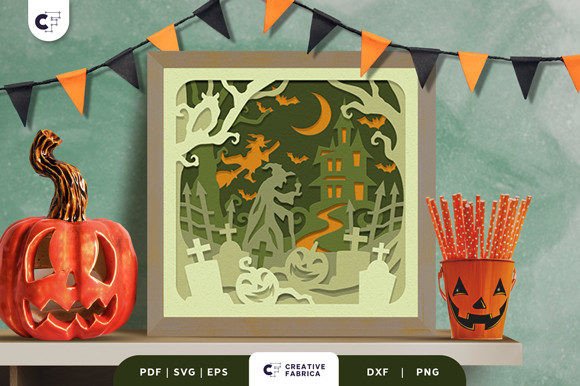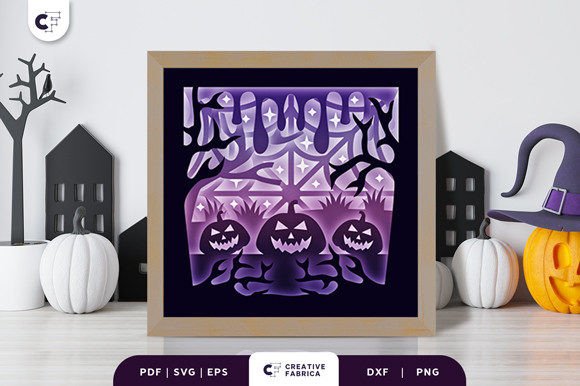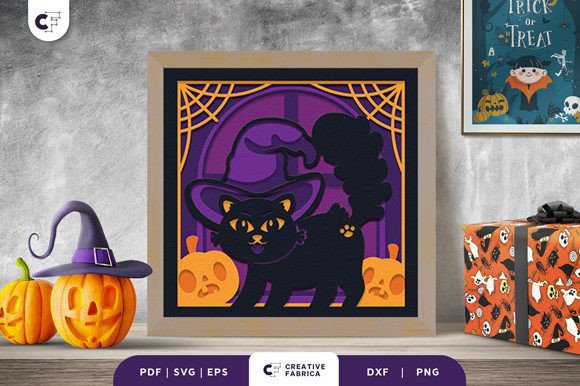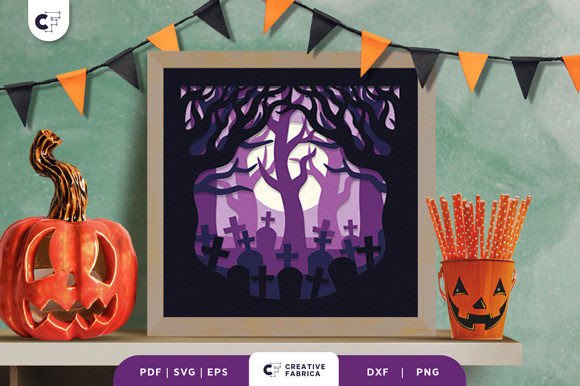
Graveyard in the Forest 3D Shadow Box Review
As a designer who spends half my life zooming into digitized files and the other half troubleshooting tension issues on industrial machines, I approach every new design asset with a healthy dose of skepticism. Marketing materials often promise "stunning" results, but they rarely tell you how the design behaves when it hits the hoop. Today, I am putting Graveyard in the Forest 3D Shadow Box through its paces. This isn't just about whether it looks good on a screen; it is about whether it translates into a sellable, durable, and visually striking handmade product.
The premise here is intriguing. We are looking at a 3D SVG concept translated into an embroidery context, specifically targeting the spooky yet magnificent aesthetic that defines the Halloween season. But does the depth translate to thread? Let’s break down the practical application for Etsy sellers, small business owners, and serious hobbyists.
First Impressions: Mood and Visual Personality
When you first load the file, the immediate takeaway is the atmospheric weight of the design. The Graveyard in the Forest 3D Shadow Box doesn’t scream; it whispers. It creates a moody, layered environment that feels less like a cartoonish haunted house and more like a cinematic scene. For designers looking to elevate their holiday embroidery offerings beyond basic pumpkins and ghosts, this design offers a sophisticated alternative.
The visual personality is one of depth. In a physical papercut light box, this relies on layers of cardstock catching light. In an embroidery project, we have to ask: does the stitch work support this illusion? The layout suggests distinct zones—foreground elements that might pop out, mid-ground trees that provide texture, and background silhouettes that set the tone. This is crucial for custom apparel because it allows the designer to play with contrast and placement rather than just filling a flat shape with color.
Real-World Application: Where Does This Fit?
I recently considered using this design for a boutique client who wanted a limited-run collection of fall-themed home goods. The Graveyard in the Forest 3D Shadow Box immediately stood out as a candidate for specific product categories where detail can shine without being overwhelmed by wear and tear.
- Pillow Covers and Home Decor: This is arguably the strongest use case. A large hoop size allows the intricate details of the forest and graveyard elements to breathe. On a velvet or heavy cotton pillow cover, the varied stitch types can create a tactile experience that mimics the "shadow box" effect. Customers love items that feel premium, and the complexity of this design signals high value.
- Tote Bag Design: While possible, this requires careful planning. A canvas tote provides a sturdy base, but the design needs to be scaled appropriately. If placed centrally, it becomes a statement piece. However, for a tote bag design, you want to ensure the central motif isn’t so dense that it makes the bag stiff or uncomfortable to carry.
- Sweatshirt Embroidery: For a cozy, autumnal vibe, this works well on the chest or back of a heavyweight sweatshirt. The dark, moody theme pairs naturally with black, charcoal, or deep burgundy fabrics. It transforms a basic garment into a personalized gift that feels curated rather than mass-produced.
- Embroidered Patch: If you are creating detachable patches for jackets or bags, this design’s self-contained nature makes it ideal. You can add a clean border, and it becomes a collectible accessory. This fits perfectly into the craft business model where small, low-overhead items drive volume sales.
Technical Considerations and Stitch Behavior
Here is where the rubber meets the road. Translating a 3D visual concept into thread requires understanding how different stitches interact. The Graveyard in the Forest 3D Shadow Box likely utilizes a mix of fill stitches for solid areas and satin stitches for outlines or defined shapes. As a reviewer, I must emphasize the importance of checking the stitch density.
If the design attempts to show too much detail in a small area, you risk thread breaks or a messy finish. When evaluating this file, I always check the machine embroidery design in black and white mode. This strips away the distraction of thread colors and reveals the underlying structure. Are there areas where the needle penetration is too frequent? Are there long runs that might require jump stitches to be trimmed effectively?
Furthermore, the "3D" aspect implies layering. In embroidery, we simulate depth through color gradation and stitch direction. If the design relies heavily on small, delicate details to achieve this shadow effect, it may struggle on textured fabrics. A rough linen or a waffle-weave towel will eat up fine details. For these surfaces, I recommend simplifying the design or choosing a smoother fabric like sateen or tightly woven cotton.
Strategic Placement and Fabric Choice
Not all projects are created equal. There are specific scenarios where this design should be used with caution. Avoid placing complex, multi-layered designs on stretchy knits unless you are using a high-quality stabilizer and have tested the stability thoroughly. The distortion from stretching can warp the "forest" lines, ruining the illusion of depth.
Similarly, on curved surfaces like caps or hats, the perspective shifts. A design that looks balanced on a flat plane might look distorted on a curved brim or crown. If you are aiming for a professional look on headwear, consider scaling down the design or focusing on the central element rather than the entire shadow box composition.
Dark fabrics present another variable. While the spooky theme suits black or navy, you need to ensure your top thread colors provide enough contrast. A dark grey fill stitch on a black background will disappear. Conversely, very bright threads might clash with the moody atmosphere. Neutral tones, muted purples, and off-whites often work best to maintain the eerie elegance of the Graveyard in the Forest 3D Shadow Box.
Commercial Viability and Branding
For the Etsy seller or digital product seller, the question is always: will this convert? Designs with a clear narrative, like a haunted forest scene, tend to perform better than abstract patterns because they evoke an emotion. They tell a story. This emotional connection increases the perceived value of the finished product.
When creating printable mockups for your listing, focus on lifestyle shots. Show the design on a rustic wooden table, next to dried flowers or autumn leaves. This contextualizes the embroidery file and helps the buyer visualize it in their own home. The "shadow box" aesthetic lends itself well to staging, making it easier to create compelling marketing imagery.
However, remember that consistency is key to building a brand. If your shop is known for cute, pastel baby items, this dark, gothic design might feel out of place. It is better suited for shops that cater to a broader range of aesthetics or those specifically targeting the Halloween and autumn niches. Ensure your design assets align with your overall shop vibe to maintain customer trust.
Final Verdict and Designer Notes
The Graveyard in the Forest 3D Shadow Box is a strong contender for designers looking to add depth and atmosphere to their portfolio. It moves beyond simple motifs and offers a compositional challenge that, when executed well, results in a high-end look.
Before committing to production, I strongly advise testing the design on scrap fabric first. Check the stabilizer choice—is cut-away necessary for durability, or will tear-away suffice for lighter projects? Inspect the small details under magnification. Confirm the licensing terms if you plan to sell finished items commercially. And finally, trust your eye. If the balance feels off in the hoop, adjust the scale or simplify the elements. Great embroidery is not just about following the file; it is about understanding how the thread interacts with the fabric to bring the vision to life.