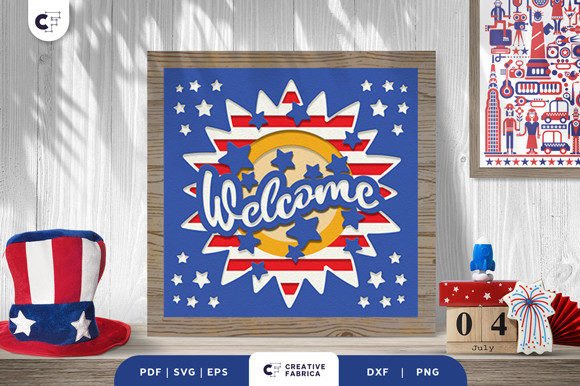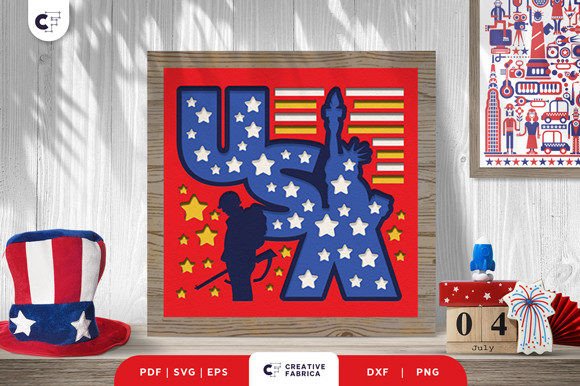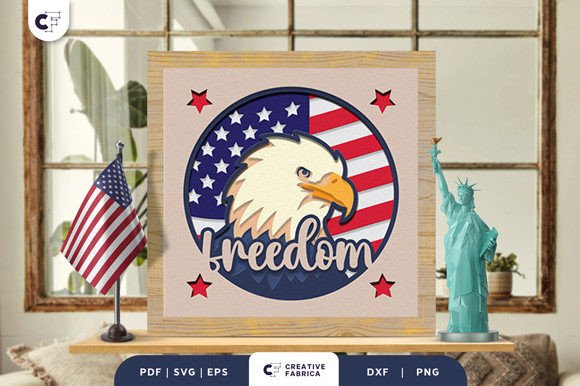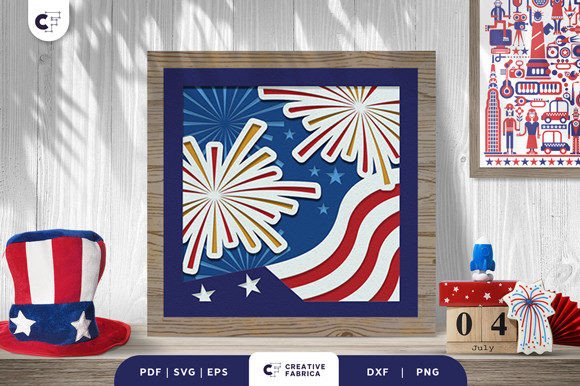
Mount Rushmore 3D Shadow Box SVG for Independence Day
When I sit down to plan the visual strategy for a new editorial series or a high-stakes affiliate campaign, my first question is always about trust. Readers decide in seconds whether a website feels authoritative or amateurish. That decision is rarely based on copy alone; it is heavily influenced by the quality of our graphic design asset choices. Recently, I evaluated the Mount Rushmore 3D Shadow Box SVG for potential use in a patriotic-themed content suite. After testing it across various layouts and device screens, I have formed a clear perspective on how this specific file can elevate your digital presence.
This is not just another clipart image. It is a sophisticated piece of editorial design that captures depth, texture, and historical weight. For bloggers, publishers, and digital marketers who need their content to look polished and clickable, understanding how to deploy assets like this is crucial. Below, I break down exactly how this 3D SVG fits into a real-world publishing workflow, where it shines, and where you might want to exercise caution.
The First Impression: Editorial Mood and Reader Perception
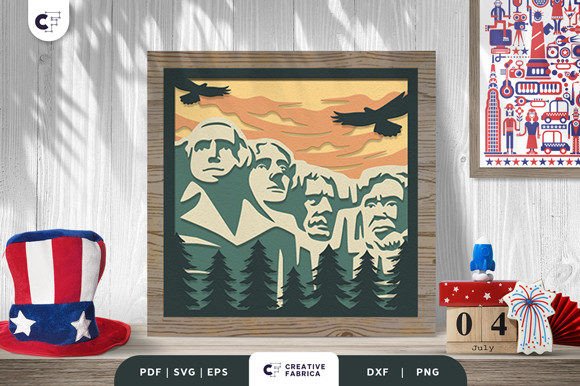
The moment you import the Mount Rushmore 3D Shadow Box SVG into your design software, the difference in quality becomes apparent. Unlike flat vector shapes that can feel generic, this asset encapsulates the essence of freedom through the grandeur of the iconic monument. Captured in 3D visual design, this Mount Rushmore 3D P representation offers shadows and highlights that mimic physical depth. This creates an immediate sense of premium quality.
In terms of mood, the asset strikes a balance between professional respect and modern artistic flair. It is not overly playful, nor is it stiffly corporate. Instead, it feels bold, clean, and highly recognizable. This makes it particularly effective for niches that deal with history, government, civic education, or seasonal lifestyle content. When a reader encounters this visual on a blog post or a social media feed, they subconsciously associate the clarity of the design with the authority of the information presented. If you are building a brand identity around reliability and tradition, this asset supports that narrative without shouting for attention.
Real-World Publishing Applications
As a digital publisher, I look for versatility. A single graphic should serve multiple purposes to maximize efficiency. Here is how I see the Mount Rushmore 3D Shadow Box SVG performing across different channels:
- Blog Featured Images: The strong vertical composition works well for article headers. It provides a striking backdrop that allows headline text to pop if placed correctly.
- Pinterest Pins: Pinterest is a visual search engine. The 3D effect draws the eye in a crowded feed. Using this as a base for "Top 10 Independence Day Facts" or "Historical Guide" pins can significantly boost click-through rates.
- Digital Guides and Lead Magnets: If you are creating a downloadable PDF guide about American history or holiday planning, using this SVG on the cover adds perceived value. It transforms a simple document into a digital product that users feel good about downloading.
- Newsletter Graphics: Email open rates depend on subject lines and preview text, but the body content keeps subscribers engaged. A banner featuring this design can segment your newsletter visually, signaling a special edition or seasonal focus.
- Social Media Ads: For affiliate marketing campaigns promoting travel to national parks or historical tours, this asset serves as a high-converting visual hook. It signals relevance instantly to users interested in patriotism and tourism.
- Category Thumbnails: Organizing your website’s archive? This SVG can serve as a consistent icon for categories related to holidays, history, or culture, improving site navigation and visual hierarchy.
Impact on Content Performance and Brand Identity
Investing time in high-quality design assets pays off in metrics. When your visuals are cohesive and professional, you build stronger reader trust. A cluttered or low-resolution image can undermine even the best-written article. By using the Mount Rushmore 3D Shadow Box SVG, you establish a modern design standard that tells your audience you care about presentation.
This asset also aids in clearer visual hierarchy. Because the design has inherent depth, it naturally guides the viewer’s eye toward focal points. When paired with concise typography, it helps structure your message effectively. Whether you are designing a Canva template for your team or custom graphics for a content marketing calendar, consistency in style reinforces your brand identity. Over time, readers will recognize your content by its visual signature, leading to higher engagement and return visits.
Strategic Placement: Where It Works Best
To get the most out of this asset, consider these optimal placements:
- Hero Images: Use it as a full-width header on landing pages dedicated to Independence Day resources.
- Editorial Accents: Place smaller versions in sidebars or as bullet-point icons to break up text walls.
- Downloadable Resources: Include it on worksheets, checklists, or printables to enhance the aesthetic appeal of freebies.
- Social Media Previews: Ensure your link previews look sharp on Instagram and Facebook by using this high-resolution vector source.
Areas Requiring Caution
No single asset is perfect for every scenario. There are contexts where the Mount Rushmore 3D Shadow Box SVG might not be the right choice:
- Small Mobile Thumbnails: At very small sizes, the intricate shadow details may blur or become indistinguishable. Test scaling carefully.
- Text-Heavy Blog Images: If your graphic needs to convey complex data or dense text, the busy background of the 3D box might compete for attention. Keep text minimal.
- Low-Contrast Backgrounds: Ensure your background color provides enough contrast so the white and grey tones of the sculpture remain visible.
- Busy Layouts: Avoid placing this next to other heavy graphical elements. Let it breathe to maintain its impact.
- Serious Professional Niches: While suitable for educational content, it may feel too decorative for strict corporate legal or financial reporting where minimalism is preferred.
Practical Publisher Notes for Implementation
Before integrating this asset into your live site, follow these technical checks:
- Test on Multiple Devices: View the graphic on desktop, tablet, and mobile screens to ensure it scales responsively.
- Check Thumbnail Appearance: Preview how it looks when cropped to square or portrait ratios common in blog feeds.
- Preview Inside Real Layouts: Do not judge the asset in isolation. Insert it into your actual WordPress or CMS theme to see how it interacts with existing colors and fonts.
- Test Headline Text: Overlay your headlines to verify readability. The 3D effect should complement, not obscure, your message.
- Review Contrast and Readability: Use accessibility tools to ensure sufficient contrast ratios for all viewers.
- Try Black and White: Convert the asset to grayscale to check if the form holds up without color cues.
- Font Pairing: Experiment with pairing the asset beside serif fonts (for tradition), sans-serif fonts (for modernity), script fonts (for elegance), handwritten fonts (for approachability), and display fonts (for impact).
- File Size Optimization: Even though it is an SVG, ensure any rasterized exports are compressed properly for web performance. Slow loading times hurt SEO.
- Confirm Commercial Licensing: Always review the commercial license agreement. Verify that you are allowed to use the asset on monetized websites, affiliate pages, and paid content products before publishing.
By treating the Mount Rushmore 3D Shadow Box SVG as a strategic component of your creative design toolkit rather than mere decoration, you can significantly enhance the professionalism and appeal of your digital publications. It is a remarkable tool for anyone looking to make a lasting impression during the Independence Day season or beyond.