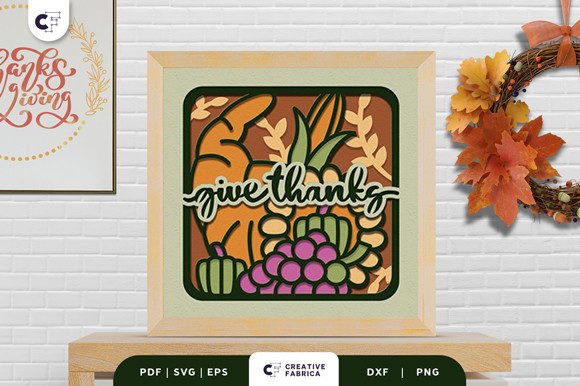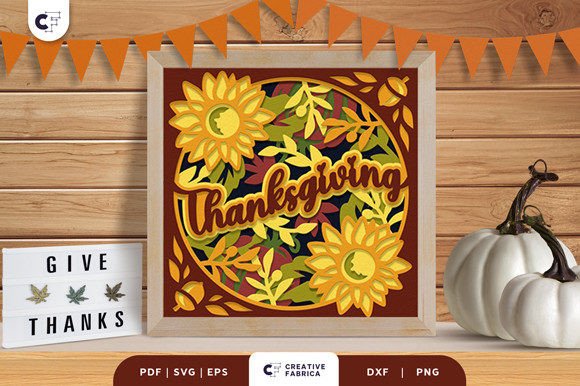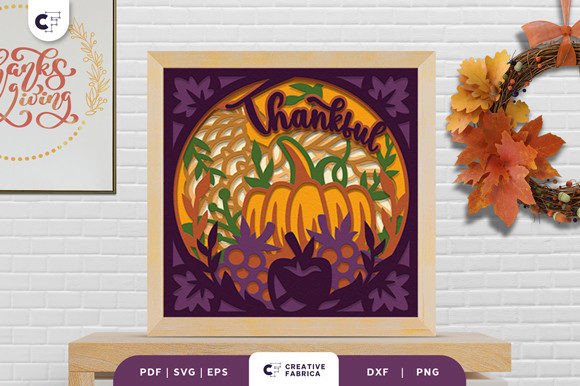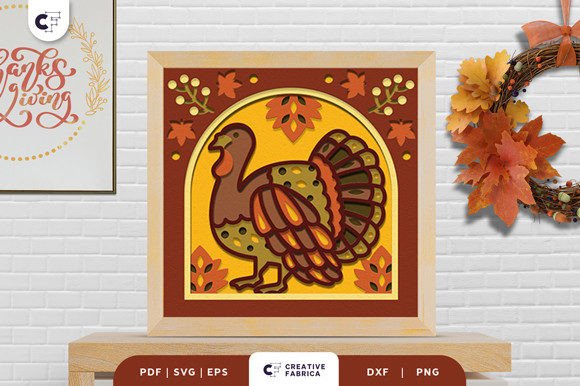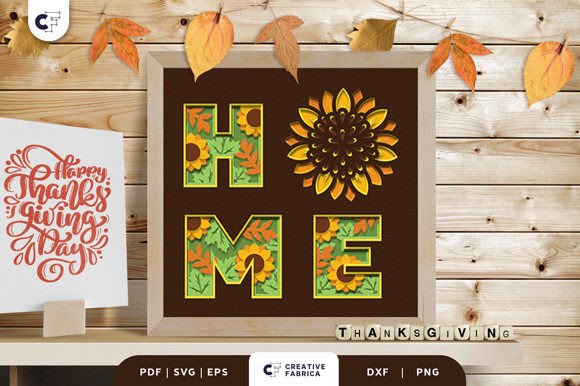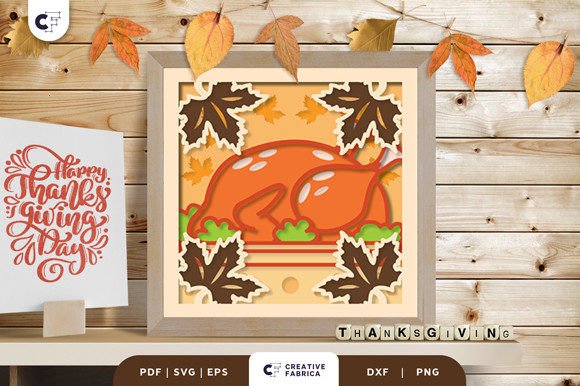
Thanksgiving Turkey 3D Shadow Box Review
As a designer who spends more time staring at stitch density charts and fabric swatches than actually drinking coffee, I have developed a certain skepticism when new designs hit the market. We are all tired of the generic clip-art style embroidery files that look flat, muddy, or simply fail to translate well from screen to hoop. That is why when I first encountered the Thanksgiving Turkey 3D Shadow Box, I didn’t just see another holiday graphic; I saw a potential structural challenge and a unique opportunity for textural play. This isn’t just a turkey; it is a layered composition that demands attention to detail, stabilizer choice, and thread selection.
The product description calls it a "paper craft masterpiece," which immediately raises an eyebrow for any machine embroiderer. Paper craft implies sharp angles, clean lines, and distinct separation between elements. In the world of machine embroidery design, translating that crisp paper aesthetic into soft thread is where most designers fail. My initial assessment? This design has the potential to be a standout piece in a boutique collection, provided you respect the technical requirements of a 3D SVG structure when digitizing or selecting the appropriate file type.
First Impressions: Mood and Visual Personality
The visual personality of this design is warm but structured. Unlike traditional Thanksgiving motifs that rely on cluttered cornucopias or overly ornate fonts, this shadow box concept focuses on depth. It creates a sense of framing within the frame. For a crafter looking to add a touch of sophistication to their handmade product line, this offers a modern alternative to the rustic farmhouse trend without losing the seasonal spirit.
When I visualize this on a canvas, I don’t see it as a simple chest-piece logo. The "shadow box" element suggests a central focal point surrounded by negative space or subtle background stitching. This makes it incredibly versatile for custom apparel. Imagine this centered on the back of a heavyweight sweatshirt, or perhaps framed elegantly on a kitchen towel hanging near the oven during the holidays. The layout encourages the eye to travel inward, creating a cozy, inviting mood that resonates perfectly with the gratitude theme of Thanksgiving.
Real-World Application: From Hoop to Home
Let’s talk about practical use. I recently evaluated this design with the intention of creating a limited run of personalized gifts for local clients. The goal was to move beyond standard monograms and offer something that felt like a complete artistic statement. Here is how the Thanksgiving Turkey 3D Shadow Box performed in various scenarios:
- Holiday Gifts and Personalized Products: The design works exceptionally well as a centerpiece on high-quality cotton tea towels or linen napkins. The contrast between the sturdy fabric and the detailed stitching gives it a premium feel. Customers appreciate finished products that look like they belong in a curated home decor catalog rather than a discount bin.
- Boutique Branding and Small Shop Product: For the Etsy seller or craft business owner, this design adds variety to your shop. It breaks up the monotony of repetitive patterns. When paired with neutral thread colors like cream, gold, or deep rust, it elevates the perceived value of the item, allowing you to price it as a luxury gift item.
- Apparel Decorators and Custom Apparel: While I wouldn’t recommend this for a lightweight t-shirt due to the weight of the stitches, it shines on denim jackets, heavy hoodies, or even structured tote bags. The tote bag design application is particularly strong here, as the rigid structure of the bag supports the heavier thread usage without puckering.
However, the success of this project hinges on execution. A digital embroidery file is only as good as the digitizer’s understanding of tension and stability. If you are using this as part of your design assets for commercial projects, ensure that the underlying structure mimics the "shadow" effect through strategic use of applique design techniques or layered satin stitches.
Where to Exercise Caution
No design is perfect for every surface. As an experienced reviewer, I must highlight the areas where this design requires careful handling. The "3D" aspect, whether achieved through foam underlay or layered applique, adds bulk. This means you cannot slap this onto just any substrate.
- Small Hoop Sizes: Avoid cramming this design into a 4x4 hoop if possible. The details will become muddy, and the overall impact will be lost. Larger hoops allow the negative space to breathe, which is crucial for the shadow box aesthetic.
- Textured and Stretchy Fabrics: Do not attempt this on ribbed knit fabrics or highly textured wools without proper stabilization. The uneven surface will cause needle deflection, leading to misaligned stitches and a sloppy finish. Similarly, stretchy jersey fabrics require a heavy-duty cut-away stabilizer to prevent distortion.
- Dense Stitch Areas: If the design contains dense fill stitches, be mindful of fabric transparency. On thin fabrics, dense stitching can create holes over time, especially after frequent washing. Always inspect small details and test the durability of the stitch density before mass production.
- Curved Surfaces: While this could work on a cap, the flat, architectural nature of a shadow box might clash with the curve of a hat brim unless the design is specifically adapted for curved surfaces. It is generally safer on flat panels like aprons or pillow covers.
Technical Notes for the Discerning Designer
To get the best results from the Thanksgiving Turkey 3D Shadow Box, you need to think like an engineer as well as an artist. Here are my non-negotiable tips for testing and execution:
Test on Scrap Fabric First: Never commit to a final piece without running a test. Check how the threads interact with your specific fabric grain. Look for puckering around the edges of the shadow box frame.
Thread Color Contrast: The magic of this design lies in its layers. Ensure your thread colors provide enough contrast between the foreground turkey and the background shadow elements. A monochromatic scheme can look elegant, but it risks blending together if the lighting isn't right. Consider using metallics for the feathers to catch the light.
Black and White Mockups: Before stitching, convert your digital preview to black and white. This helps you evaluate the balance of dark and light areas. If the design looks too heavy in one corner, the final product will feel unbalanced.
Stabilizer Selection: Use a quality cut-away stabilizer for permanent items like sweatshirt embroidery or wall art. For temporary items or lighter fabrics, a tear-away might suffice, but be cautious of residue. The stability of the base fabric is paramount for maintaining the crisp lines of the shadow box.
Licensing and Commercial Use: Finally, always confirm licensing. If you plan to sell finished items featuring this design, verify that you have the rights to do so. Many commercial embroidery opportunities hinge on clear intellectual property rights. Do not assume that purchasing a file grants unlimited commercial distribution.
Final Verdict
The Thanksgiving Turkey 3D Shadow Box is a sophisticated addition to any holiday library. It moves away from the cheesy and embraces the structural. For the creative entrepreneur or maker looking to create meaningful, high-quality goods, this design offers a canvas for excellence. It rewards patience, proper technique, and thoughtful material selection. If you approach it with respect for its technical demands, it will yield a finished product that customers will cherish long after the holiday season ends. It is not just an embroidery project; it is a testament to the artistry possible when digital precision meets tactile craft.