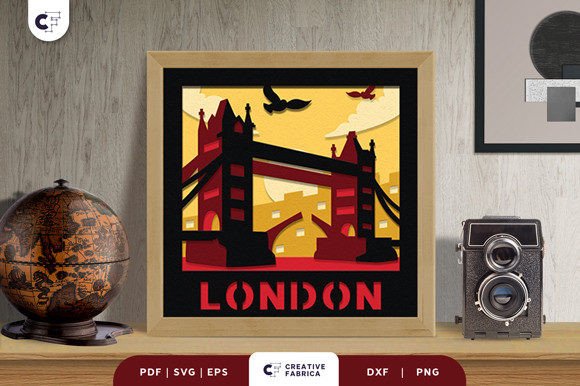
Tower Bridge 3D Shadow Box SVG Review
When I sit down to evaluate a new machine embroidery design, my first question is always practical: does this hold up in the real world? It is easy to admire a file on a screen, but that is very different from seeing it stitched into a finished product. Recently, I pulled the Tower Bridge 3D Shadow Box SVG from the "Countries" category to test its viability for client projects and small business merchandise. As an experienced designer, I look beyond the initial visual appeal to assess stitch density, structural integrity, and marketability. This review breaks down how this specific 3D SVG performs when moved from digital asset to tangible handmade product.
First Impressions and Visual Personality
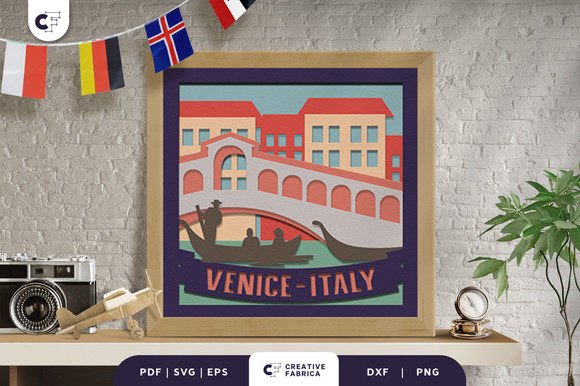
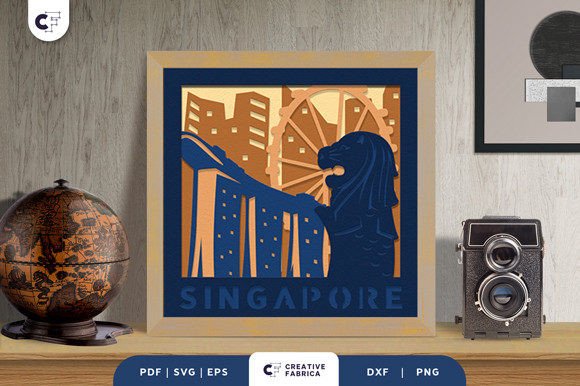
The moment you open the file, the intent is clear. This is not a minimalist line drawing; it is a bold statement piece designed to capture the cultural identity of London. The layout utilizes a shadow box aesthetic, which immediately suggests depth and dimensionality even before the first stitch is thrown. For designers who want their work to stand out on social media or in an Etsy shop, this kind of visual weight is crucial.
The inclusion of large font elements is a smart move. In the world of custom apparel, legibility is king. If a customer cannot read the text from three feet away, the design fails its primary communication goal. The typography here feels sturdy and intentional, complementing the architectural lines of the bridge itself. It creates a mood that is both historic and modern, making it versatile enough for a variety of audiences. Whether you are targeting tourists looking for souvenirs or locals proud of their city, the emotional resonance is strong.
Real-World Application: Where Does This Fit?
I tested the concept of this embroidery project across several common product categories to see where it truly shines. The versatility of the Tower Bridge 3D Shadow Box SVG allows it to transcend simple decoration and become a focal point of a garment or accessory.
- Custom Apparel: On a heavyweight cotton sweatshirt, this design commands attention. The structure of the bridge mirrors the robustness of the fabric. It works particularly well as a back print or a large chest logo, offering a premium feel that generic logos lack.
- Tote Bags: A canvas tote featuring this embroidered patch style design feels like a boutique item. The contrast between the durable bag material and the intricate stitching adds value, justifying a higher price point for Etsy sellers.
- Holiday Gifts: During the holiday season, personalized gifts sell exceptionally well. This design can be adapted for Christmas stockings or winter hats, adding a touch of sophistication to seasonal merchandising.
- Baby Embroidery: While typically bold, the clean lines can work beautifully on baby onesies or nursery decor if scaled appropriately. It offers a gender-neutral option that appeals to parents looking for meaningful keepsakes.
In every scenario, the key factor is the perceived quality. When a buyer sees a complex fill stitch pattern rendered cleanly, they assume the maker took care with the process. This builds trust and encourages repeat purchases for your crafter business.
Technical Performance and Stitch Clarity
From a technical standpoint, the success of any digital embroidery file relies heavily on how well the stitches interact with the fabric. The shadow box effect implies layers of color and texture. When executing this design, the interplay between satin stitch outlines and running stitch details becomes critical.
If the stitch density is too high, the fabric may pucker, especially on lighter materials. Conversely, if the density is too low, the intricate graphics of the bridge may lose definition. My experience suggests that this design benefits from a medium-density approach, allowing the colors to pop without overwhelming the base material. It is essential to choose thread colors that provide sufficient contrast against your chosen background. A dark navy thread on a black hoodie will disappear, whereas a crisp white or gold thread will highlight the architectural details effectively.
For those creating printable mockups or design assets for clients, understanding these limitations is vital. You want to showcase the design in its best light, perhaps on a mid-tone grey or cream fabric, to demonstrate the full range of its 3D SVG capabilities.
Where to Use With Caution
No single design fits every situation. There are specific contexts where the Tower Bridge 3D Shadow Box SVG requires careful consideration to avoid production issues.
- Small Hoop Sizes: If you are working with limited hoop space, the intricate details might become muddy. Small fabrics do not give the eye enough room to appreciate the complexity of the shadow box effect.
- Textured Fabrics: Bouclé, heavy tweed, or nubby knits can hide fine stitch work. The irregular surface may cause inconsistent tension, leading to uneven satins.
- Stretchy Fabric: Jersey or spandex blends require special stabilizers and techniques. Without proper support, the dense stitching can distort the shape of the garment over time.
- Curved Surfaces: Applying this to caps or curved hat panels can be challenging. The flat nature of a shadow box design may not follow the curve of a cap smoothly, potentially causing gaps or tension issues at the edges.
- Frequent Washing: For items like aprons or kitchen towels that undergo rigorous laundering, ensure the design is anchored well. Loose threads or weak connections in detailed areas can lead to premature wear.
Practical Designer Notes for Success
To ensure your final product meets professional standards, I recommend following a strict testing protocol before committing to bulk production or selling finished items.
First, always test the embroidery file on scrap fabric that matches the weight and stretch of your final product. This reveals potential puckering or thread breakage issues early. Second, inspect the small details closely. Zoom in on the digital preview and then examine the stitched sample under good lighting. Are the corners sharp? Is the text legible? If the answer is no, adjust the scaling or simplification settings in your software.
Third, consider the stabilizer choice. A cut-away stabilizer is often necessary for permanent garments to maintain stability over time, while tear-away might suffice for temporary applications like gift tags. Fourth, check the licensing terms. Before listing this as a small shop product or using it in commercial branding, confirm whether you have the right to sell the finished goods. Some creators restrict commercial use, so due diligence protects your business.
Finally, think about the presentation. A well-stitched Tower Bridge 3D Shadow Box SVG tells a story. When you photograph your finished product, focus on the texture and the way the light hits the satin stitches. This attention to detail elevates your brand from a casual hobbyist to a serious artisan. By treating each embroidery project with this level of scrutiny, you build a reputation for quality that customers will recognize and reward.