Winter Village 3D Layered Paper Cut
As a designer who spends more time staring at stitch charts and fabric swatches than sleeping, I approach every new design asset with a healthy dose of skepticism. We are constantly bombarded with digital files that look stunning in a preview window but fall apart the moment they hit the hoop. That is why when I first encountered Winter Village 3D Layered Paper Cut, I didn't just see a pretty picture; I saw a potential workflow challenge and an opportunity for a high-end finished product. This isn't just another clipart file you can slap on a tote bag and call it a day. It is a complex, atmospheric composition that demands respect from both the digitizer and the end-user.
The First Impression: Mood and Visual Weight
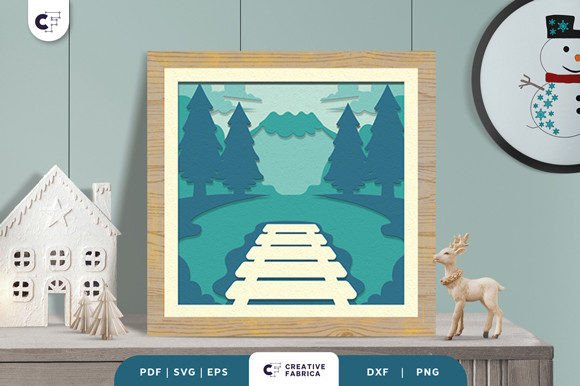
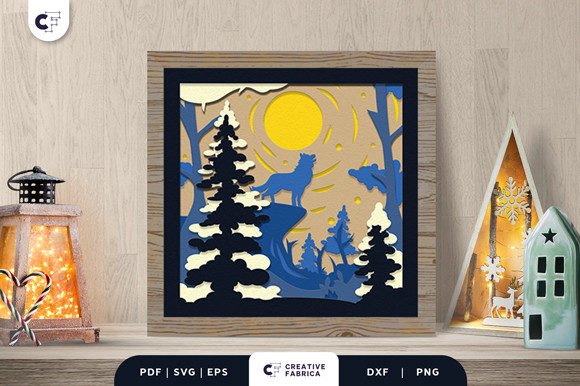
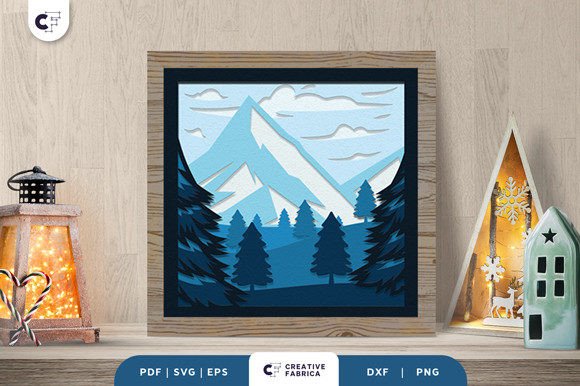
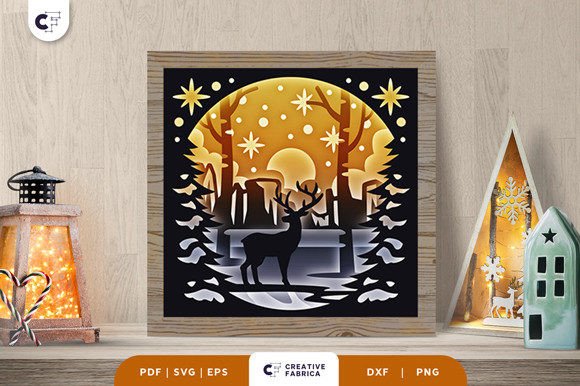
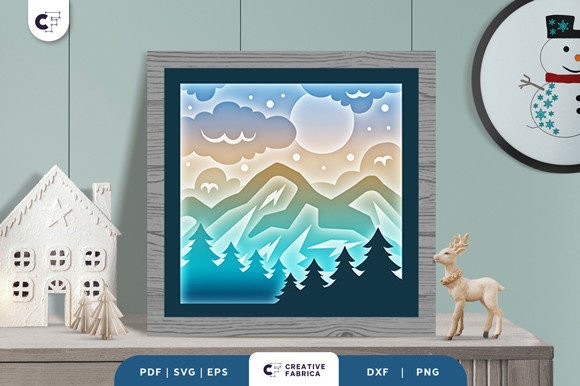
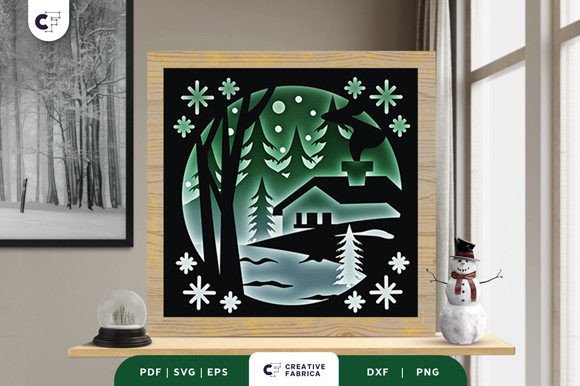
The immediate draw of this design is its narrative quality. Unlike flat, two-dimensional motifs that lack depth, Winter Village 3D Layered Paper Cut evokes the delicate precision of paper engineering. It captures that specific magic of a winter night—the quiet, the cold, and the warmth of glowing windows all at once. From a design perspective, the layering technique suggests a shadow box effect, which translates beautifully into embroidery if executed correctly. The visual personality here is cozy yet sophisticated. It doesn't scream for attention; it invites the viewer to lean in closer to see the details.
For those of us building brands around handmade goods, mood is everything. This design naturally belongs in projects that prioritize storytelling. It feels right at home on a premium sweatshirt for a holiday market or as a centerpiece on a nursery pillow cover. The intricate shapes suggest a higher perceived value, allowing small business owners to price their products accordingly because the work involved clearly looks more labor-intensive and artistic than a standard logo placement.
Real-World Application: Where This Design Shines
I recently considered using this concept for a custom embroidered patch series targeting craft fair customers. The "Warm Winter House Shadow Box" aesthetic fits perfectly with the current trend toward nostalgic, cottage-core, and hygge-inspired decor. Imagine this design stitched onto a thick wool felt background for a boutique apron. The contrast between the soft texture of the felt and the precise lines of the village would create a tactile experience that photographs incredibly well for online listings.
Furthermore, this design has strong potential for personalized gifts. Think about a custom baby blanket where the village scene serves as the main focal point, surrounded by simple, clean stitching. Parents love items that feel like heirlooms, and a design with this level of detail signals care and craftsmanship. For Etsy sellers looking to stand out in a crowded marketplace, offering a holiday embroidery piece that mimics the look of layered paper art can be a significant differentiator. It transforms a simple embroidery project into a piece of wearable or displayable art.
Technical Considerations and Stitch Clarity
However, beauty comes with technical responsibilities. When evaluating any machine embroidery design, we must look beyond the aesthetics and consider the mechanics. The layered nature of Winter Village 3D Layered Paper Cut implies a variety of stitch types. You will likely encounter dense areas where fill stitches overlap, creating a rich texture, alongside finer running stitches that define the architectural details of the houses and trees.
This density requires careful planning regarding thread colors. If you choose threads that are too similar in tone, the layers will merge into a muddy blob on the fabric. You need distinct contrasts to maintain the illusion of depth. I recommend testing your color palette before committing to a full run. A dark navy or charcoal base fabric might make white or silver threads pop, enhancing the "winter night" vibe, whereas a light cream background might require darker, richer threads to provide enough definition.
Stabilizer choice is equally critical. Because this design likely contains intricate details, using a cut-away stabilizer is non-negotiable for woven fabrics to prevent distortion over time. For knit fabrics like sweatshirts, a combination of tear-away and cut-away may be necessary to support the weight of the stitching without puckering the garment. Always test on scrap fabric first. This step alone saves countless hours of ripping out failed attempts and frustrated clients.
Where to Exercise Caution
Not every surface is suitable for this level of detail. I would advise against using this design on highly textured fabrics like bouclé or heavy terry cloth, as the needle penetration could become inconsistent, leading to skipped stitches. Similarly, stretchy fabrics like thin jersey or spandex blends require extra caution; without proper hooping techniques and stabilizers, the tension can distort the delicate lines of the village.
Small hoop sizes are also a limitation. While the design might scale down, doing so risks losing the charm of the individual elements. Tiny lettering or minute decorative accents within the design may not render clearly if the final product is meant to be viewed from a distance. Additionally, curved surfaces like baseball caps present a challenge. While possible, maintaining the integrity of the layered look on a curved brim or crown requires advanced skills and potentially multiple repositionings, which increases production time and cost.
Commercial Viability and Brand Consistency
For commercial embroidery and crafter business owners, the question of licensing is paramount. Before you start selling finished products or digital embroidery file assets, verify the terms of use. Can you sell unlimited quantities? Is there a cap on the number of physical items? These restrictions can impact your pricing strategy and inventory planning.
When marketed correctly, this design enhances brand consistency. It positions your shop as one that values quality and artistic merit. Customers are increasingly savvy; they can tell the difference between a mass-produced item and something designed with intention. By offering a handmade product that features such a thoughtfully composed scene, you build trust and encourage repeat purchases. The design’s versatility allows it to fit seamlessly into a broader collection of seasonal items, creating a cohesive catalog that appeals to buyers looking for complete thematic experiences.
Final Verdict
Winter Village 3D Layered Paper Cut is a robust addition to any designer’s library, provided you respect its technical requirements. It is not a quick-fix design for impulse orders but rather a centerpiece for thoughtful, high-value creations. Whether you are crafting a unique personalized gift for a loved one or developing a line of small shop products for the upcoming holiday season, this design offers the visual depth needed to captivate your audience. Just remember to check your stitch density, confirm your hoop size, and always, always test on scrap fabric. Done right, the result will be a stunning representation of winter magic that stands the test of time.